
You Have A Project |
| We Have A Solution
Property Condition Assessments

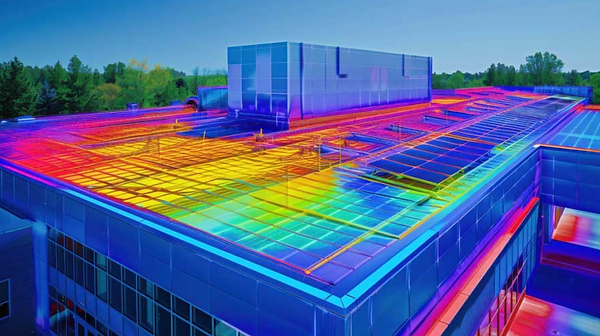
By identifying potential issues such as moisture intrusion, electrical overheating, or envelope deficiencies at an early stage, thermal imagery inspections help owners make proactive, data-driven decisions that protect asset value, extend system life. and reduce long-term maintenance and energy costs.

Property Condition Assessments
Delivering clear insight for confident decisions

Property Condition Assessments conducted by BFE Group, Inc. provide a comprehensive, system-based evaluation of the property’s readily observable components. Our assessment includes a visual review of site conditions, structural elements, mechanical systems (including HVAC, plumbing, and conveying systems), electrical systems, building envelope components such as exterior façades and roofing, interior finishes, and overall site amenities.
We evaluate site improvements for current condition, apparent code compliance, remaining useful life, suitability for intended use, and the presence of material deficiencies based on observed conditions at the time of assessment. In support of our field observations, we review available maintenance records, construction documents, prior studies, and proposed capital improvement plans. When applicable, our process may also include a review of publicly available building department records and discussions with on-site engineering, facilities, and management personnel.
To ensure a thorough and accurate assessment, timely access to relevant property information and documentation from the client is essential. This collaborative approach allows us to deliver clear, objective findings and practical recommendations that support informed decision-making and effective capital planning.
How Our PCA's Support Informed Decisions
Identifying physical deficiencies that impact safety, function, and costs
Quantify immediate repair needs and budget future priorities
Forecast capital expenditures for major replacements
Support Negotiations and underwriting with defensible observations
Improve capital planning and reduce unexpected costs
What's Included In Our Typical PCA Reports
Photo documented findings and narrative observations
Deficiency table summarizing issues, locations, and recommendations
Immediate repair cost estimates presented in a clear format
Capital planning forecast for major replacements and budgeting
Executive summary highlighting key risks, priority items, and costs
Property Condition Assessment Scope
Documentation Review: Drawings | Prior Reports | Maintenance Records
Site & Civil: Pavement | Sidewalks | Drainage | Signage | Lighting | ADA Access
Building Systems: HVAC | Electrical | Plumbing | Elevators | Fire Protection | Communication
Interior Components: Ceilings | Finishes | Fixtures | Restrooms | Stairs/Railings | Walls & Partitions
Building Envelope & Structure: Foundation | Roofing | Exterior Walls | Windows & Doors | Thermal Protection | Flashing & Sealants
Our PCA Process
-
Proprty Type
-
Use Case
-
Access Plan
Kickoff & Scoping
-
Review Drawings
-
Maintenance Plans
-
Prior Studies
Document Review
On-Site Walkthrough
-
Visual Assessment
-
Equipment Survey
-
Photo Documentation
Cost Development
-
Immediate Repairs
-
Ongoing Maintenance
-
Capital Project Planing
-
Detailed Notes
-
Clear Assessments
-
Confident Decisions
Final Report Sent
Thermal Inspections
A different perspective to uncover hidden risks and energy performance
Benefits of Infrared Building Inspections
-
Detect air-leakage/infiltration and energy loss of the building
-
Identify inadequate insulation and moisture barriers
-
Determine hidden sources of moisture intrusion
-
Quickly discover HVAC, Electrical, and Plumbing issues
-
Location problems with building components in advance
-
Save time and money on major repairs
Thermal Imagery Inspections
Building Envelope | Roofing | HVAC | Plumbing | Electrical
Thermal imagery inspections use infrared technology to identify temperature variations across building components that are not visible during a standard assessment. By capturing thermal patterns on surfaces and systems, these inspections help indicate conditions such as moisture intrusion, air leakage, insulation deficiencies, electrical anomalies, and mechanical performance concerns. Thermal imagery inspections are a non-destructive tool that complements traditional Property Condition Assessments by providing additional insight into concealed or developing issues within building systems.
Our Thermal Imagery Inspections Provide:
-
Non-Invasive Evaluation: Allows investigation of concealed conditions without damaging finishes or disrupting operations
-
Early Issue Identification: Helps identify developing issues before they result in visible damage or system failure
-
Improved Diagnostic Accuracy: Provides supplemental data to support visual observations and site findings
-
Energy Performance Insight: Highlights areas of heat loss, insulation gaps, and air infiltration that impact operating costs
-
Targeted Repairs: Supports more efficient maintenance planning by narrowing the focus to specific areas of concern
Our thermal imaging inspections help building owners reduce risk by improving visibility into building performance and identifying conditions that may lead to costly repairs, operational disruptions, or premature system failures. When integrated into a Property Condition Assessment, thermal imagery supports more informed capital planning, enhances due diligence during acquisitions or refinancing, and assists owners in prioritizing corrective action.
Commercial Energy Assessments
Improve Your Building's Air Quality & Energy Efficiency, While Lowering Operating Costs
Key Benefits of Commercial Energy Audits
-
Reduced Operating Costs: Identifies inefficiencies and improvement opportunities that can lower utility expenses
-
Improved System Performance: Highlights equipment or controls issues affecting energy use and occupant comfort
-
Data-Driven Decision Making: Provides actionable findings to support budgeting, upgrades, and retrofit planning
-
Enhances Sustainability: Supports energy conservation goals and environmental responsibility
-
Improved Comfort & Reliability: Identifies conditions that may contribute to uneven temperatures or system strain
Commercial energy audits help building owners better understand how energy-related decisions impact asset performance, operating costs, and long term value. By identifying inefficiencies, outdated equipment, and operational issues early, energy audits support informed capital planning and help prioritize improvements that deliverable measurable benefits.
Whether you are evaluating acquisitions, renovations, or long term asset strategies, energy audits reduce uncertainty by clarifying where energy costs originate and where improvements can provide the greatest return. When paired with condition assessments and capital planning, commercial energy audits help control expenses, extend system life, and protect the overall performance and value of your buildings.

Objective Data For Confident Decisions
Every commercial property has a story. Our Property Condition Assessments uncover the building conditions, deferred maintenance, and capital needs that help you move forward with confidence.
BFEG delivers delivers nationwide Property Condition Assessments that help owners, developers, lenders, and project teams understand building conditions, quantify near-term repairs, and plan long-term capital needs. Our PCA reports present clear, photo-documented findings, system-level observations, and practical cost guidance so you can reduce risk, negotiate confidently, and make informed decisions across the full building lifecycle.
A commercial energy audit is a systematic evaluation of a building's energy use, systems, and operating conditions to identify opportunities to improve efficiency, reduce energy consumption, and lower operating costs. Energy audits review how energy is consumed across major building systems, such as HVAC, lighting, controls, and the building envelope, and assess how equipment performance, operating schedules, and maintenance practices impact overall energy performance. When performed in conjunction with a Property Condition Assessment, a commercial energy audit provides valuable insight into both the physical condition of the building systems and how efficiently those systems operate.